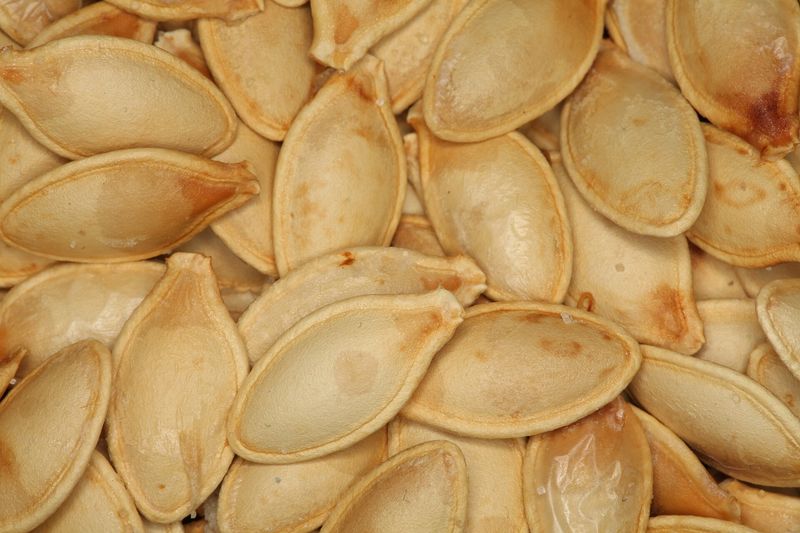
Magnesium-Rich Foods: How Much Magnesium Is in a Serving
Magnesium-rich foods with milligrams per serving from USDA data, how much magnesium adults need according to the NHS, and why food comes first.
Vitamins, minerals and other supplements: what the research shows, which doses have been studied, and how to read a label before you buy. Where the evidence is weak or mixed, we say so.
Affiliate links. Nourlume earns commissions from some links to iHerb, at no extra cost to you. Commissions never decide what we write or recommend. About affiliate links
The different forms of magnesium, how much magnesium a label really provides, and how products compare.
Magnesium-rich foods with milligrams per serving from USDA data, how much magnesium adults need according to the NHS, and why food comes first.

Does magnesium help you sleep? What systematic reviews and recent trials of glycinate and threonate found, how strong the evidence is, and what to know first.
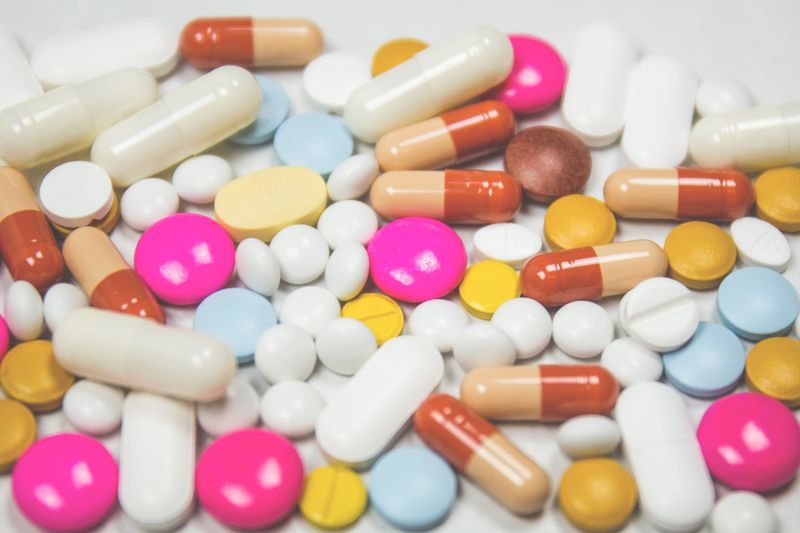
Oxide, citrate, glycinate, malate, threonate: how magnesium supplement forms differ in magnesium content, absorption evidence and side effects.
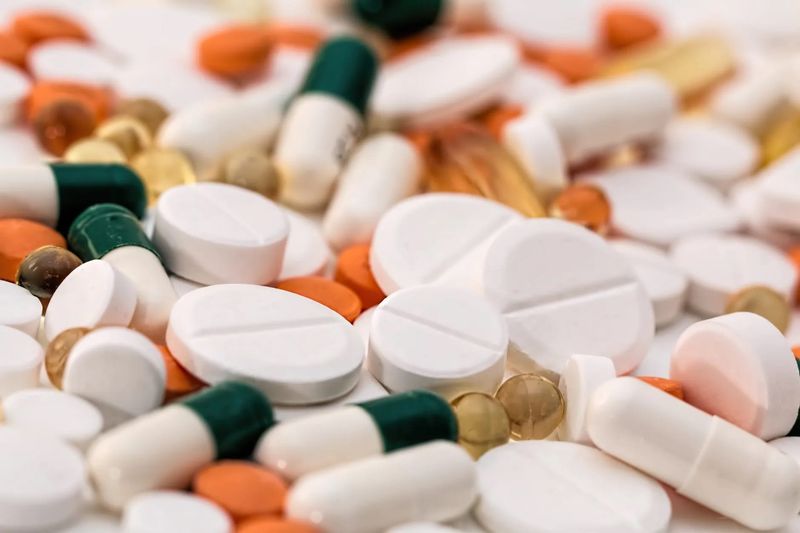
Four magnesium glycinate supplements on iHerb compared on their labels: mg per capsule, serving and ingredients, plus citrate, malate and threonate.
How to compare magnesium supplements by the label: magnesium per serving, form, serving size, other ingredients, testing and price, on five real labels.
Glycinate or citrate? Magnesium content, absorption, the laxative effect, sleep, anxiety and cramp evidence, label directions and real iHerb labels compared.
D2 and D3, IU and micrograms, combinations with K2, and how vitamin D products differ.
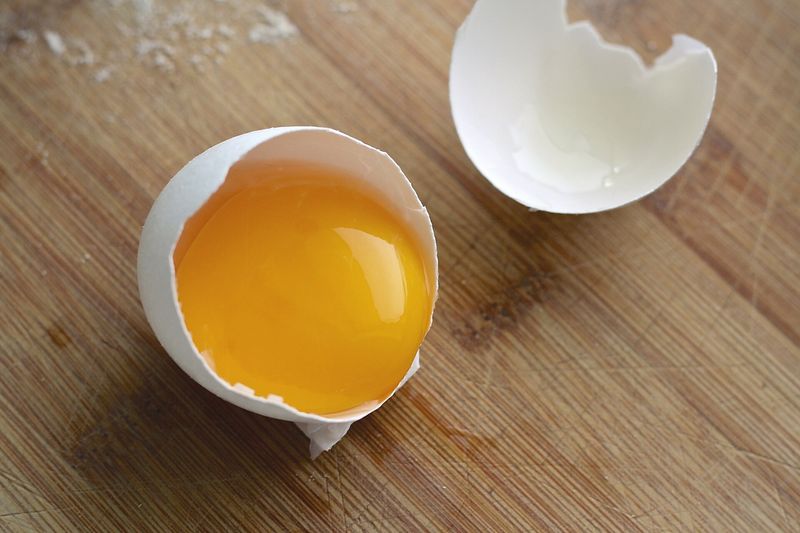
Vitamin D per serving of fish, eggs, mushrooms, fortified milk and cod liver oil (USDA data), and why the NHS suggests a supplement in autumn and winter.

1 mcg of vitamin D equals 40 IU. A conversion chart for common label strengths, why labels show both units, and how the numbers compare with official limits.
Why vitamin D3 and K2 are sold together, what trials of the combination found, the difference between MK-4 and MK-7, and who should be careful with vitamin K.

Five vitamin D3 supplements sold on iHerb, compared on their labels: strength, oil, capsule type, vegan suitability and pack size.

Vitamin D2 and D3 compared: where each comes from, what two meta-analyses found about raising blood levels, and how to find a vegan D3 on a label.
EPA and DHA, fish oil and algae oil, freshness, and how to compare omega-3 supplements.
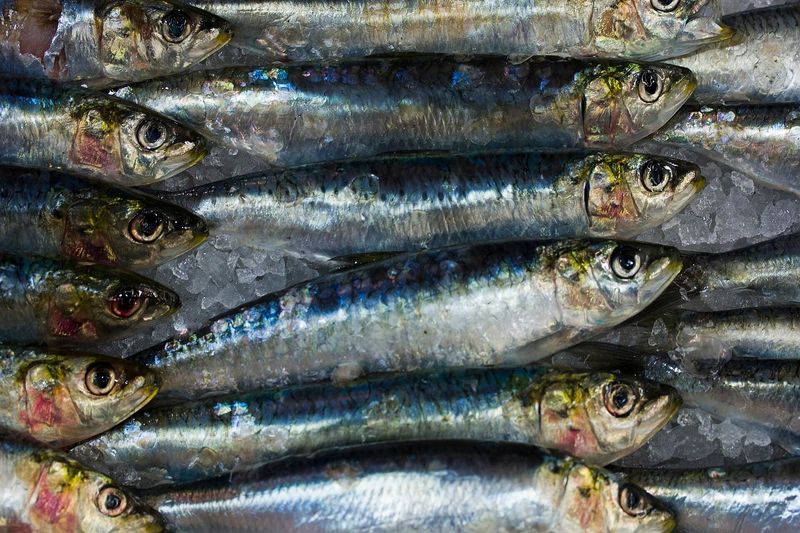
EPA and DHA per portion of salmon, herring, sardines, mackerel, tuna, cod and shrimp, how much fish the NHS advises, and which fish to limit for mercury.
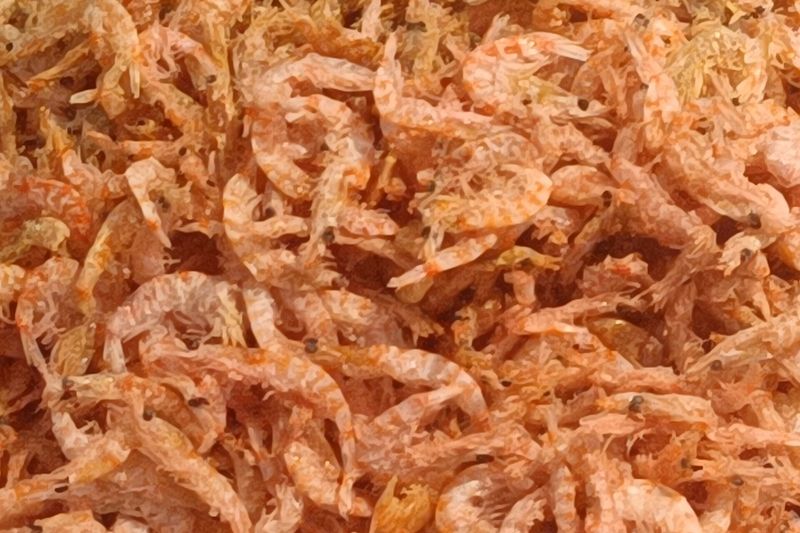
Krill oil vs fish oil compared on real labels: EPA and DHA per softgel, phospholipids and astaxanthin, what absorption studies found, and who funded them.
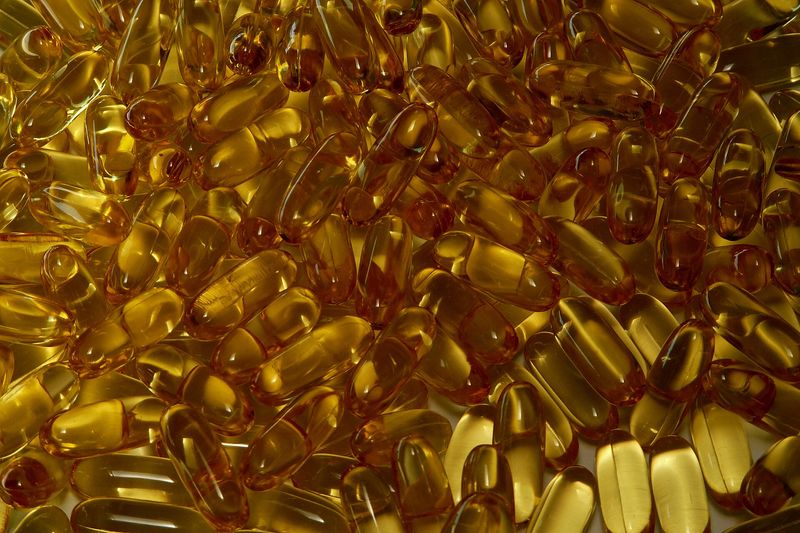
TG, rTG and EE are three forms of omega-3 in fish oil. How each is made, what absorption studies found, and why most labels don’t say which one you’re buying.
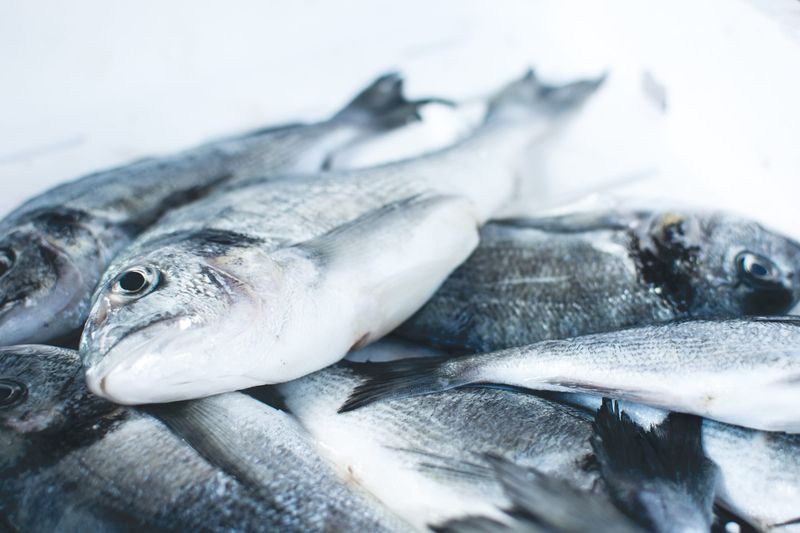
Six fish oils and two algal oils sold on iHerb, compared on their labels: EPA and DHA per serving and per softgel, purity, triglyceride form and capsule.

Algal oil and fish oil both supply EPA and DHA. How they compare on amounts per capsule, the EPA:DHA balance, absorption evidence and suitability for vegans.
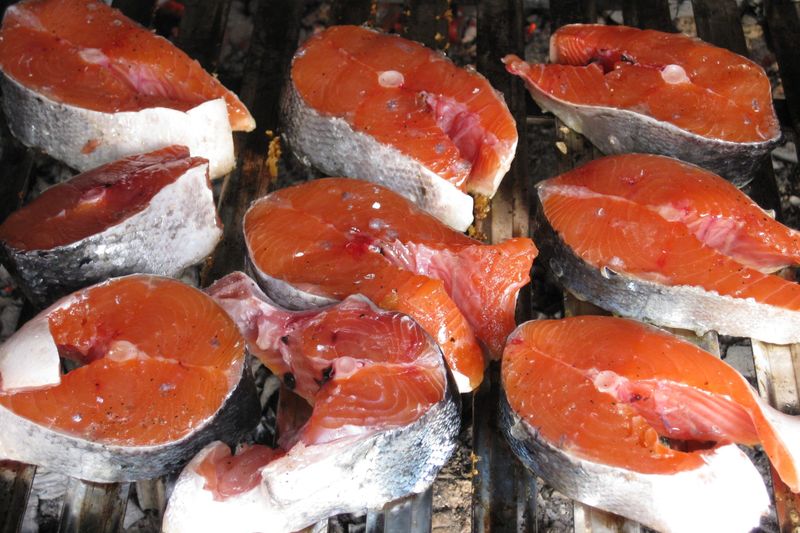
EPA and DHA are the two omega-3s in fish and algal oils. What each is linked to, what EFSA says about amounts and safety, and how to read them on a label.
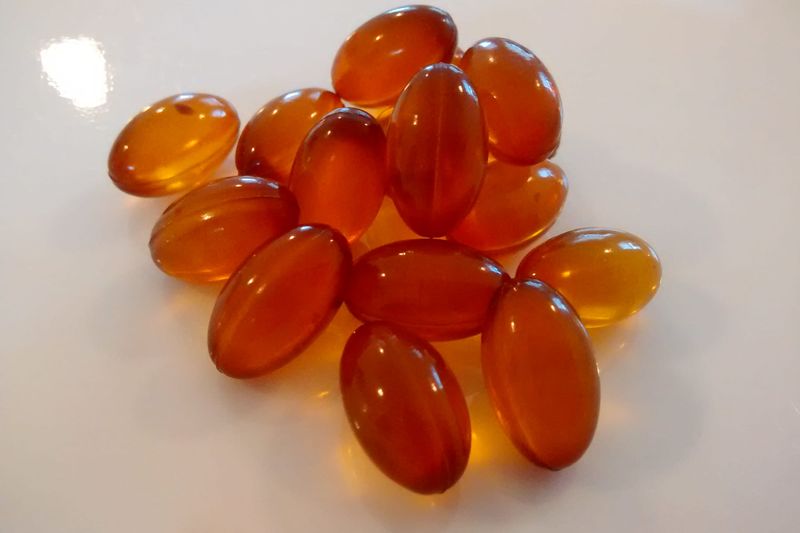
What to compare when choosing an omega-3 supplement: EPA and DHA per serving, serving size, freshness, testing and price, checked on five real labels.
Strains, CFU counts and what a probiotic label can and can’t tell you.
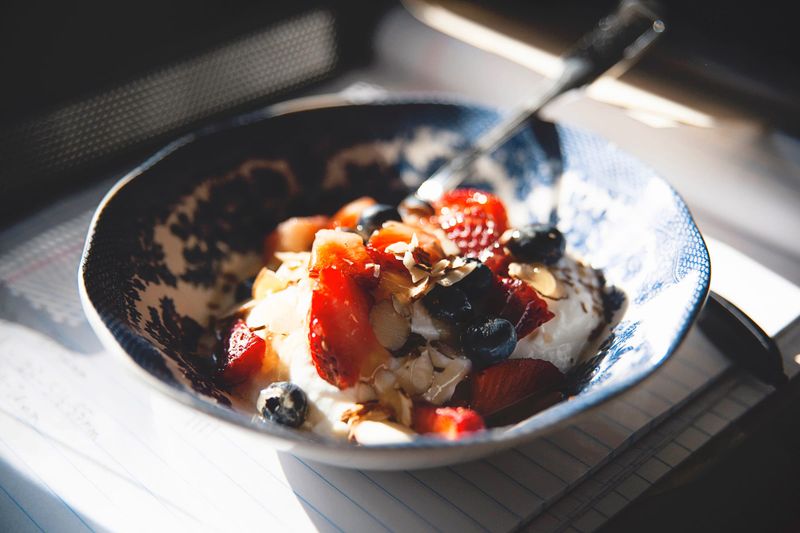
Four probiotics sold on iHerb compared on their labels: CFU per capsule, named strains, whether the count lasts until expiry, storage and allergens.
What genus, species and strain mean on a probiotic label, what CFU counts can and can’t tell you, and why new Lactobacillus names appear on labels.
Lutein and zeaxanthin on supplement labels, what the eye research did and didn’t show, and how products compare.
Five lutein supplements sold on iHerb compared on their labels: lutein and zeaxanthin per softgel, free lutein vs esters, the softgel and allergens.
Collagen peptide supplements: what the labels state, what the research does and doesn’t show, and how products compare.
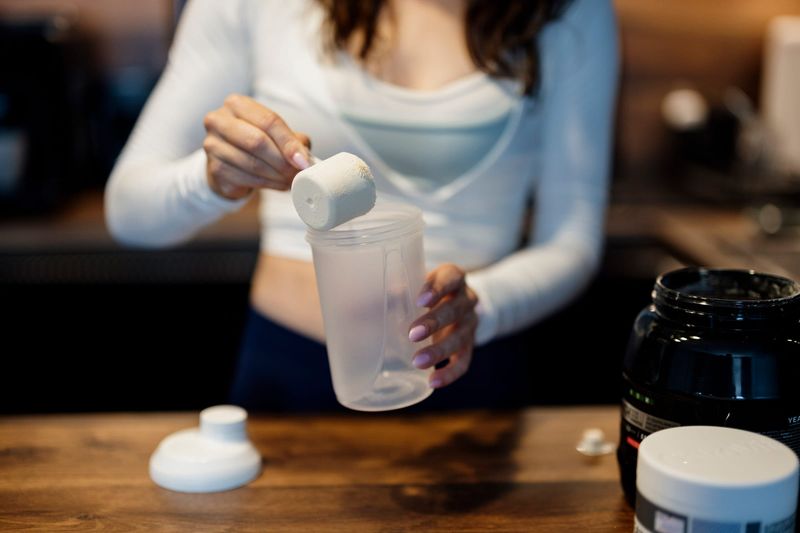
Six collagen supplements sold on iHerb compared on their labels: grams per serving, fish or bovine source, added vitamin C, and what the research shows.
Creatine monohydrate labels, what the research shows for strength and safety, and how products compare.

Four creatine monohydrate supplements on iHerb compared on their labels: grams per serving, loading directions, testing seals, powder or capsules.
Multivitamin labels: which nutrients differ most between products, upper limits to know, and what the research does and doesn’t show.
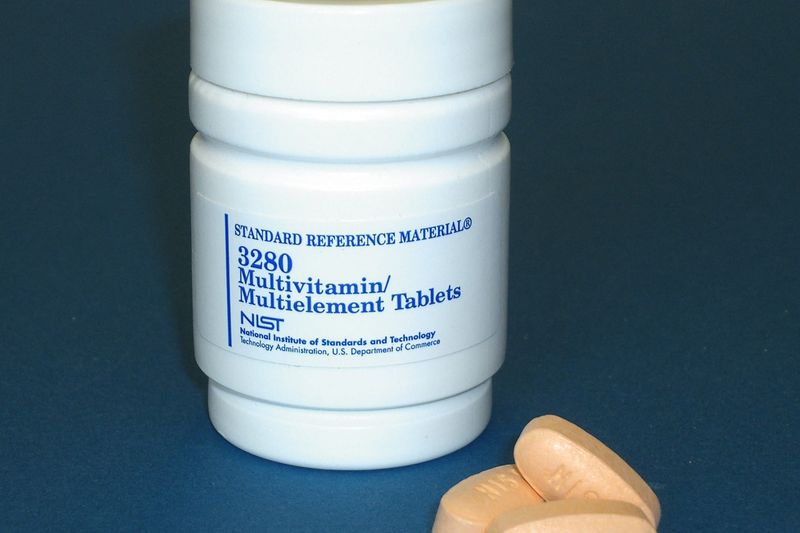
Five multivitamins on iHerb compared on their labels: iron, vitamin B6, vitamin D2 or D3, folate, biotin and extras, set against NHS and EU limits.
Iron supplement labels: how much iron, which form, what the research on bisglycinate shows, and the safety points to know first.
Seven iron supplements sold on iHerb compared on their labels: iron per serving, bisglycinate or other forms, capsules or liquid, and what else is added.
Milk thistle (silymarin) supplement labels: how much silymarin a serving gives, what else is added, and what the research does and doesn’t show.
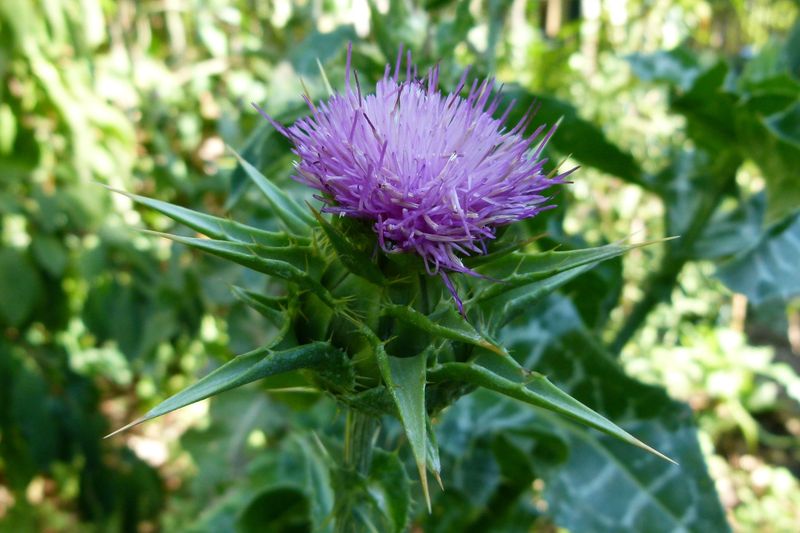
Six milk thistle supplements sold on iHerb compared on their labels: silymarin per serving, extract and standardisation, added herbs and the phospholipid form.
Vitamin C capsules and tablets: how much a serving gives, plain, buffered and Ester-C forms, and the amounts health services consider too much.
Five vitamin C supplements sold on iHerb compared on their labels: mg per serving, plain, buffered and Ester-C forms, what else is added and the pack size.
B-complex labels: how much vitamin B6 a capsule gives, folic acid or methylfolate, which B12, and the limits health authorities set.
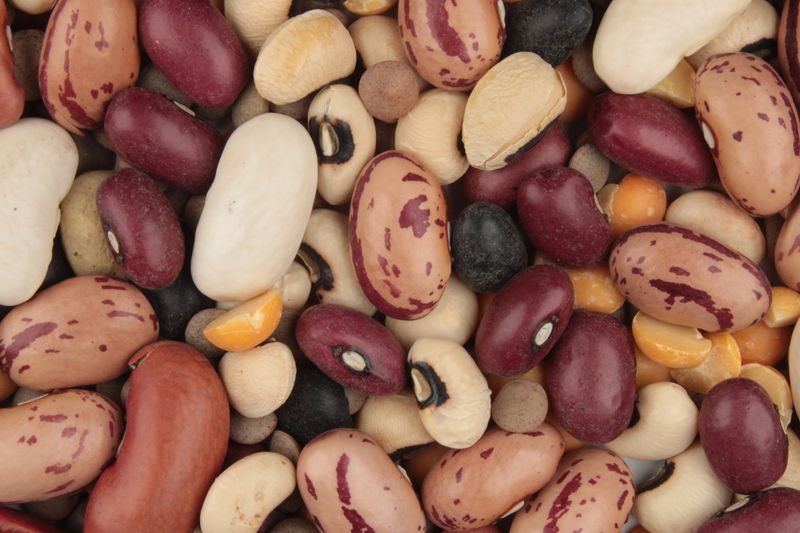
Five B-complex supplements on iHerb compared on their labels: vitamin B6 per serving, folic acid or methylfolate, which B12, biotin and the pack size.
Zinc supplement labels: milligrams per capsule, the form of zinc, added copper, and the NHS limit of 25 mg a day from supplements.
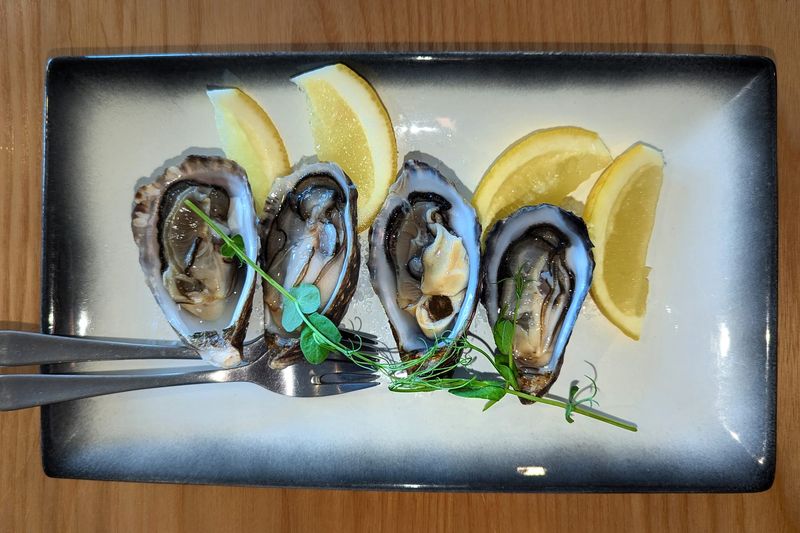
Six zinc supplements on iHerb compared on their labels: mg per capsule against the NHS’s 25 mg, picolinate, citrate or bisglycinate, and added copper.
Biotin supplement labels: micrograms per capsule against the NHS figure of 0.9 mg a day, lab-test warnings and what the hair research shows.
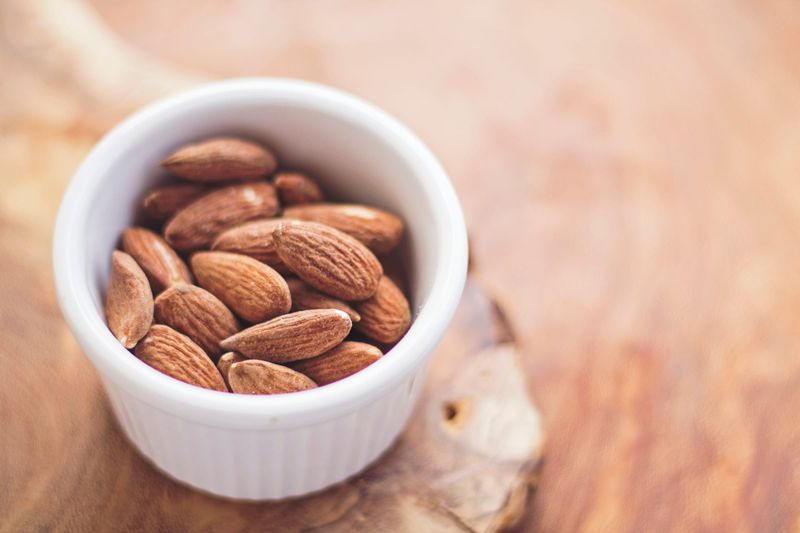
Six biotin supplements on iHerb compared on their labels: 600 to 10,000 mcg against the NHS’s 0.9 mg, lab-test warnings, and what the hair research shows.
Curcumin labels: plain 95% extracts versus formulas made to absorb better (black pepper, phytosome), curcuminoids per capsule, and what NCCIH says about safety.
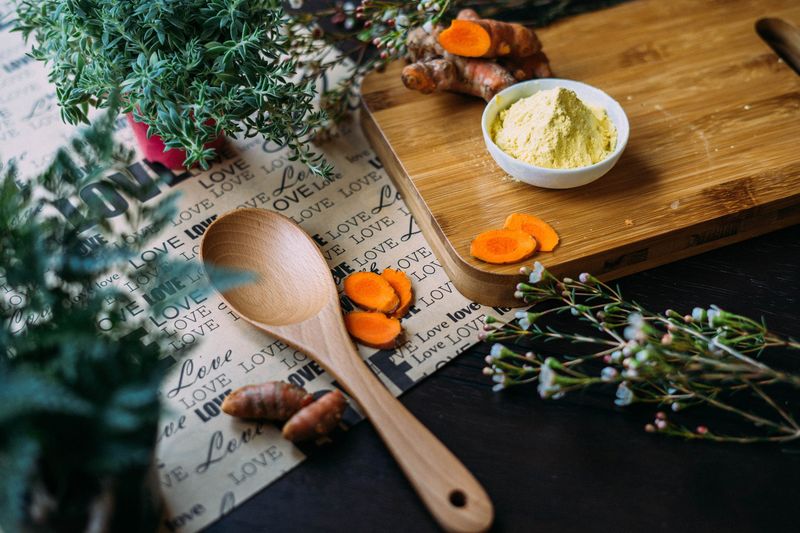
Six curcumin supplements on iHerb compared on their labels: plain 95% extracts versus black pepper and phytosome formulas, curcuminoids per capsule, and safety.
Folic acid and methylfolate labels: micrograms against mcg DFE, 400 or 800 mcg, and what the NHS and CDC say about folic acid before and in early pregnancy.
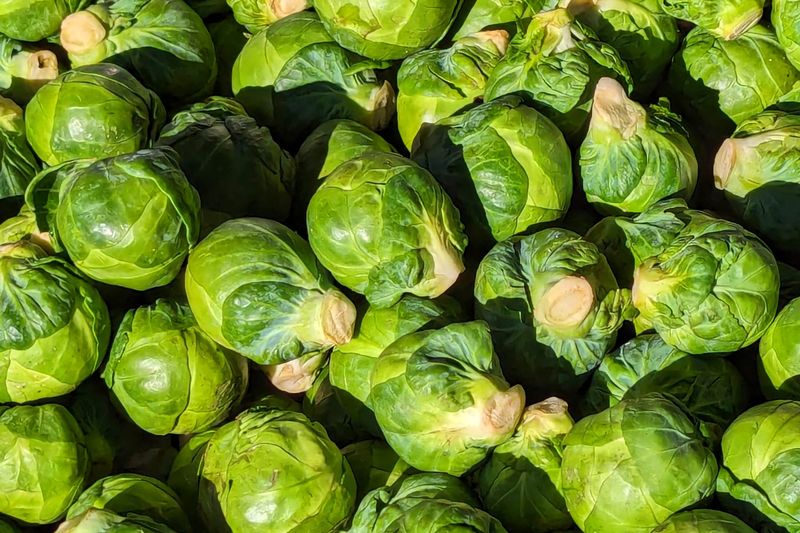
Six folic acid and methylfolate supplements on iHerb compared: 400 or 800 mcg, what “mcg DFE” means, and NHS and CDC guidance on folic acid and pregnancy.
CoQ10 labels: ubiquinone or ubiquinol, 100 or 200 mg, plant-based or gelatin softgels, and what NCCIH says about the evidence and interactions.
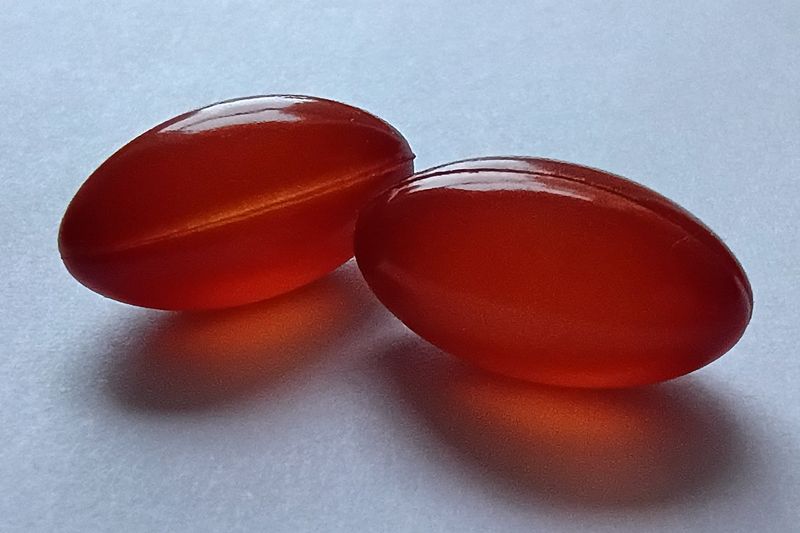
Six CoQ10 supplements on iHerb compared on their labels: ubiquinone or ubiquinol, 100 or 200 mg, plant-based or gelatin softgels, and what NCCIH says.
Protein powder labels: grams of protein per scoop and per gram of powder, whey isolate versus concentrate, plant protein, sweeteners, allergens and testing seals.
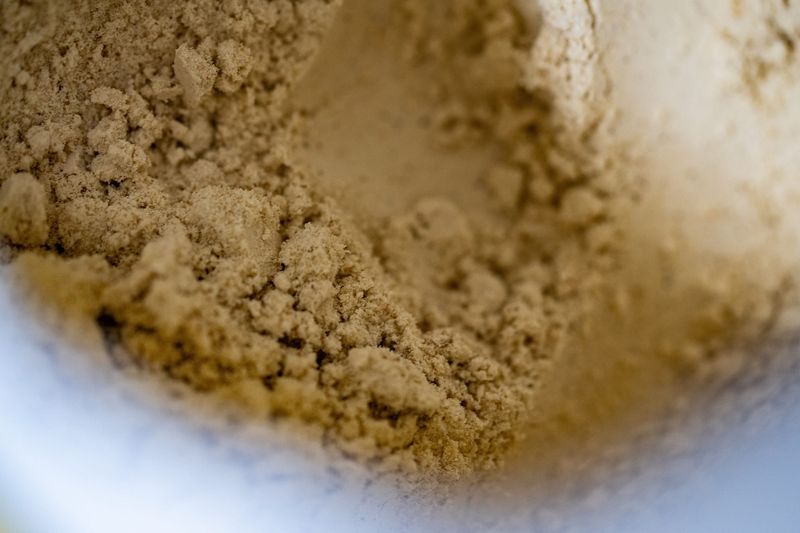
Six protein powders on iHerb compared on their labels: protein per scoop and per gram, whey isolate vs concentrate, pea protein, sweeteners and testing seals.
Glucosamine and chondroitin labels: how the amounts are written, shellfish and bovine sources, capsules per serving, and what NCCIH says about the evidence.
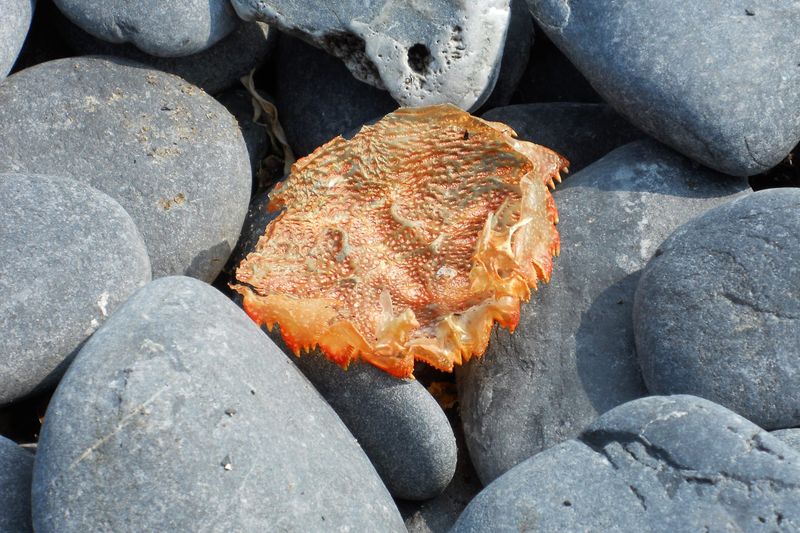
Six glucosamine and chondroitin supplements on iHerb compared: how amounts are stated, shellfish and bovine sources, vegan options, and what NCCIH says.
Berberine labels: milligrams per capsule, how much the directions add up to per day, how long a bottle lasts, and what NCCIH says about evidence and safety.
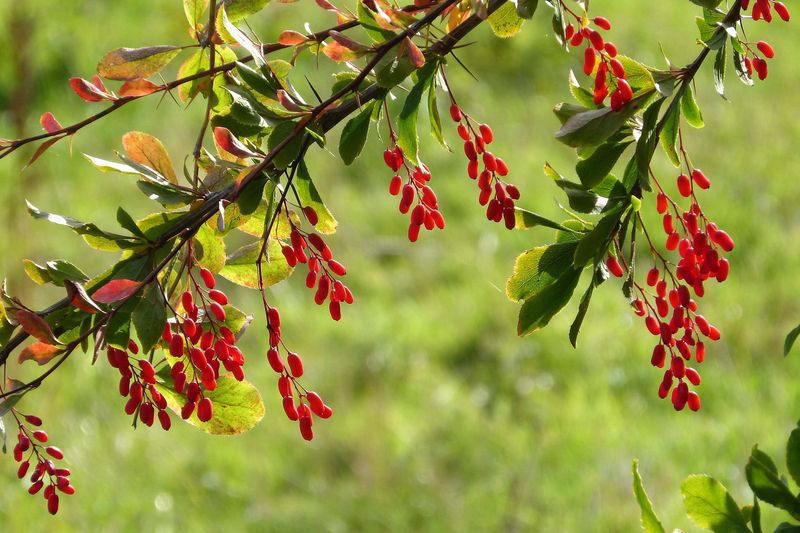
Five berberine supplements on iHerb compared: mg per capsule, what the directions add up to per day, how long a bottle lasts, and NCCIH’s safety advice.
Inositol labels: milligrams per capsule or scoop, myo-inositol and D-chiro-inositol (40:1), total inositol per pack, and what the PCOS evidence review found.
Six inositol supplements on iHerb compared: mg per capsule or scoop, myo and D-chiro-inositol (40:1), inositol per pack, and what a 2024 PCOS review found.
Calcium and cal-mag labels: calcium per tablet, citrate or carbonate, how much magnesium, zinc and vitamins D and K2 come with it, and what the directions add up to per day.
Eight calcium and cal-mag supplements on iHerb compared: calcium per tablet, citrate or carbonate, magnesium, zinc, vitamins D and K2, and tablets a day.
Vitamin K2 labels: MK-7 or MK-4, micrograms per capsule, the capsule or softgel it comes in, products with vitamin D3, and what labels say about blood thinners.
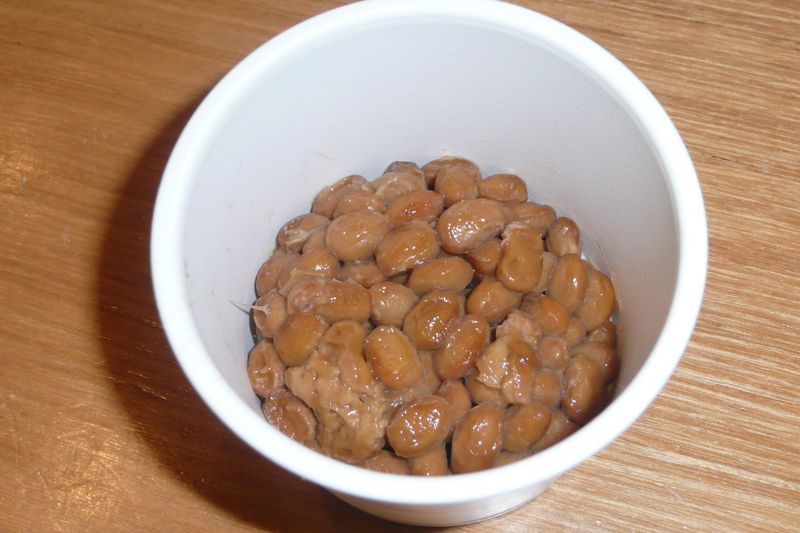
Eight vitamin K2 supplements on iHerb compared: MK-7 or MK-4, 45–100 mcg per capsule, MenaQ7, softgel or capsule, D3 + K2, and blood-thinner warnings.
Reading a Supplement Facts panel, converting units, and making sense of probiotic labels.

We checked 80 supplement labels sold on iHerb against NHS limits: 7 of 10 with vitamin B6 give over 10 mg per serving, 4 of 6 zinc products over 25 mg.
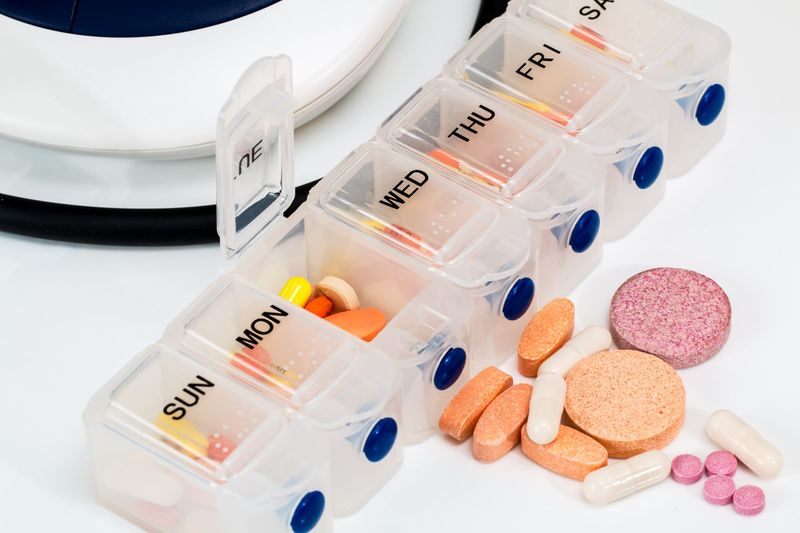
Serving sizes, %DV, proprietary blends and the small print: a line-by-line guide to the Supplement Facts panel, so you know what a bottle actually contains.
이 페이지는 한국어로도 볼 수 있습니다. 한국어로 보기